
Digital Transformation Consulting
We provide end-to-end consulting for your digital transformation: strategy, process digitalization, data and cloud migration.
Digital Transformation: scope and approach
We offer end-to-end consulting and implementation services for businesses on their digital transformation journey. We analyze your existing business processes, create a digitalization strategy and implement it with modern technologies. We provide comprehensive digital transformation services including process digitalization, data analytics and reporting, system integration, IoT and cloud migration. We help you gain competitive advantage by increasing your operational efficiency.
Technologies we use
Who it is for and what it solves
Digital transformation often sounds like the name of a large-company program. For a small or medium-sized business it is very concrete: orders tracked through WhatsApp, quotes through email and stock in a spreadsheet; the same information typed into three places by hand; someone spending days collecting data for the month-end report. Transformation means deciding which of those jobs should become systematic and doing it in a way the team will actually use. Buying a piece of software on its own is not transformation.
At Codeativ we start a digital transformation engagement from the process, not from the technology. We map how the work runs today, rank the opportunities by benefit and difficulty, try the most promising one in a small pilot and measure the outcome. In the build phase, we work with our own software development team on process digitalization, system integration, data and reporting and, where needed, IoT and cloud migration. The people who plan and the people who build do not have to be different teams.
The page is written for small and medium-sized businesses that do not plan to replace every system at once, and for agencies that want to straighten out their own internal processes as well as the reporting and workflows they offer to clients. Scope and timeline differ from one business to the next. We promise neither a duration nor an outcome here; we describe how we work and what it depends on.
What we do in Digital Transformation
Process mapping
We trace the processes you pick from end to end with the people who run them: who starts the job, which tool it moves through, where each piece of data comes from, and where waiting and re-entry happen. We keep the map plain. The point is not an elegant diagram but a shared view of where the problem sits. You receive a map of the current state and a list of the problems we observed.
Prioritization and roadmap
We rank what we find by expected benefit, difficulty, data needed and risk. We do not suggest digitalizing everything at once; in most businesses it is better to start with the one or two processes that cost the most time. You receive a phased roadmap with a scope suggestion for each phase.
Process digitalization and system integration
We move forms, approval flows, automatic notifications and repetitive manual work into a system. Rather than throwing away the software you have, we connect it where we can, setting up data flow between your CRM, accounting, e-commerce or stock tools. If an off-the-shelf product is enough we recommend it, and custom development only when it is really needed. Broader ERP and CRM needs are handled together with that service.
Data and reporting
We bring scattered data into a single reporting layer and build the dashboards managers look at when they decide. First we pin down which question you need answered, then we organize the data around it. If there is a physical process that has to be measured, such as machine or device data, IoT sensors can come into the scope. We suggest that only when it is truly needed.
Pilot and measurement
We try the solution with real users on a small slice of the first process. Before the pilot begins we write down what we will measure: time spent per transaction, number of errors, number of manual entries. That way the decision at the end rests on a record rather than a feeling. If the measures do not hold up, we correct before widening the rollout.
Change management and training
The place where transformation most often stalls is not the technology but the team taking up the new way of working. We name an owner for the new process, run short user trainings and plan a transition period in which the old and new methods run side by side for a while. If a move to the cloud is needed, we run it together with the Cloud Services scope.
Process
First conversation and goal setting
In the free first conversation we listen to your business, your team, the tools you use and the work that wears you down. We turn the sentence 'we want to go digital' into a concrete question, for example 'tracking quotes is scattered' or 'we build the report by hand'.
Process mapping
We trace the chosen processes by talking with the people involved. We mark where paper, spreadsheets, email, messaging and software come into play. The real shortcuts people take outside the official flow go on the map too, because that is often where the problem lives.
Opportunity list and prioritization
We put the findings side by side on benefit, difficulty, data readiness and risk. Which process goes first is decided together with you, and the reasoning stays on paper.
Roadmap and pilot scope
For the selected process we write the target flow, the tools to be used and the limits of the pilot. Success measures are set at this stage. The decision to widen the rollout is tied to the pilot result, and each phase is quoted as its own scope.
Pilot and measurement
We bring the solution into use with a limited group of users. We collect the measures set in advance and, at the end of the pilot, review the results, the problems that came up and the team's feedback together. If the expected result did not arrive, we say why and what to do about it.
Rollout, handover and change management
If the pilot works, we widen the scope step by step. With training, a clear owner and short usage notes, we aim for your team to be able to run the system on its own. Ongoing support is optional and is discussed separately.
What affects the price
Number of processes and departments covered
Straightening out a single process takes different effort from a transformation that spans several departments. The number of processes to map and people to interview shapes the scope.
State of the current systems
How many different tools are in use, whether they offer an integration interface or an export, and how clean the data is all matter. Integrating with old, closed systems takes more work.
Off-the-shelf product or custom development
License fees for ready-made tools are paid to third parties and are separate from our service fee. Custom development widens the scope and the maintenance load that follows, which is why we look at ready-made options first.
Data and reporting scope
The number of data sources to connect, the number of dashboards to prepare and the amount of data cleaning needed affect the fee. A business whose data is scattered and inconsistent needs a tidying step before reporting.
IoT, cloud and hardware
Hardware such as sensors and devices and cloud usage costs are separate items and vary with use. IoT enters the scope only when there is a physical process that has to be measured.
Pilot and rollout structure
Moving in phases divides the fee into phases, each quoted with its own scope. A pilot lets you try the approach before committing to a large budget.
Training and change management support
The number of users, the training needed and the support expected during the transition are part of the scope as well. Getting a team used to a new way of working often needs more attention than the technical setup.
An exact price is given once the scope is clear. In a free initial consultation we listen to your needs, then prepare an itemized quote. Write to us for a free consultation
Example projects
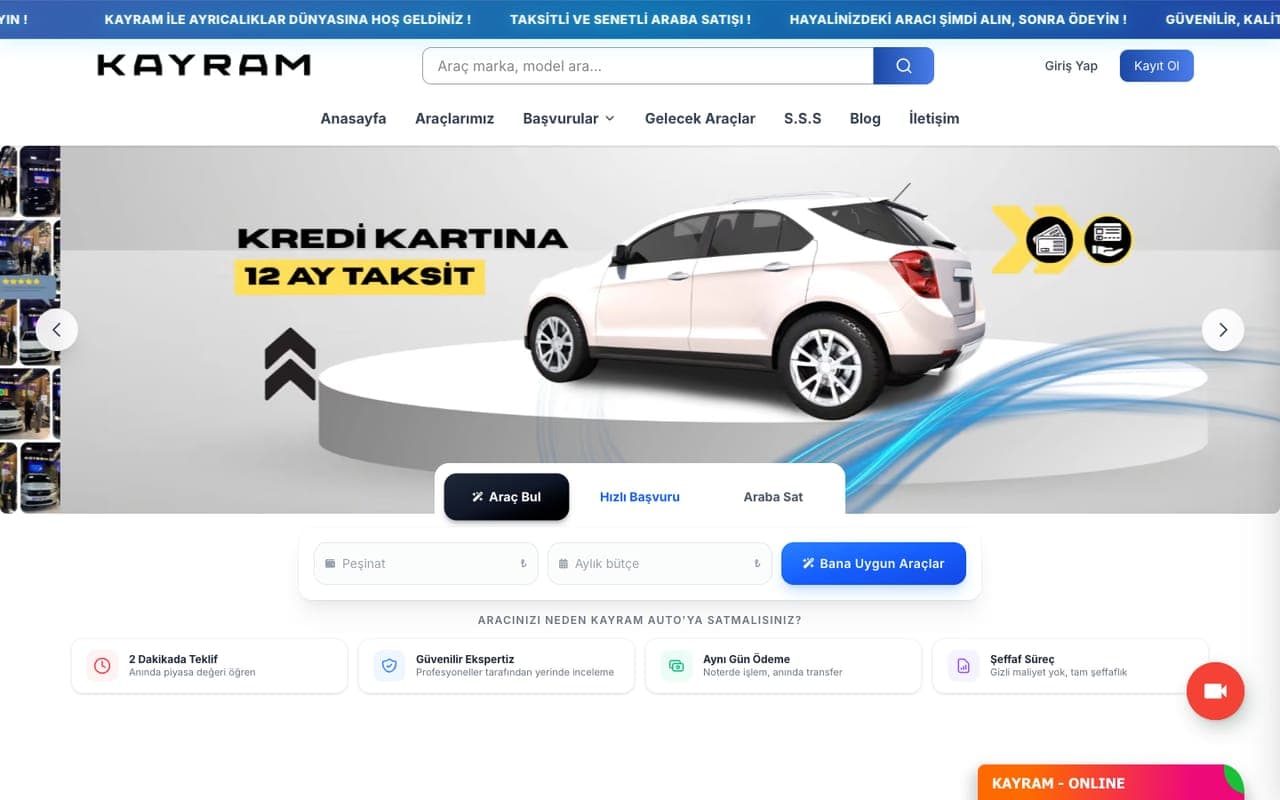
Our reference list includes three projects that deliver workflows on the web: Kayram Auto (budget-based car finder and a quick application flow), Fergo (product catalogue, news modules and dealer login) and Risus Dental Center (quick contact through WhatsApp). They are web development projects and are not presented as digital transformation consulting programs.
Automotive
Kayram Auto
Car Financing & Sales Platform
Web platform built for Kayram Auto, a dealer selling cars on credit and instalments: a large vehicle portfolio, brand and model pages, budget-based car finder and a quick application flow.
Visit the live site Kayram Auto (opens in a new tab)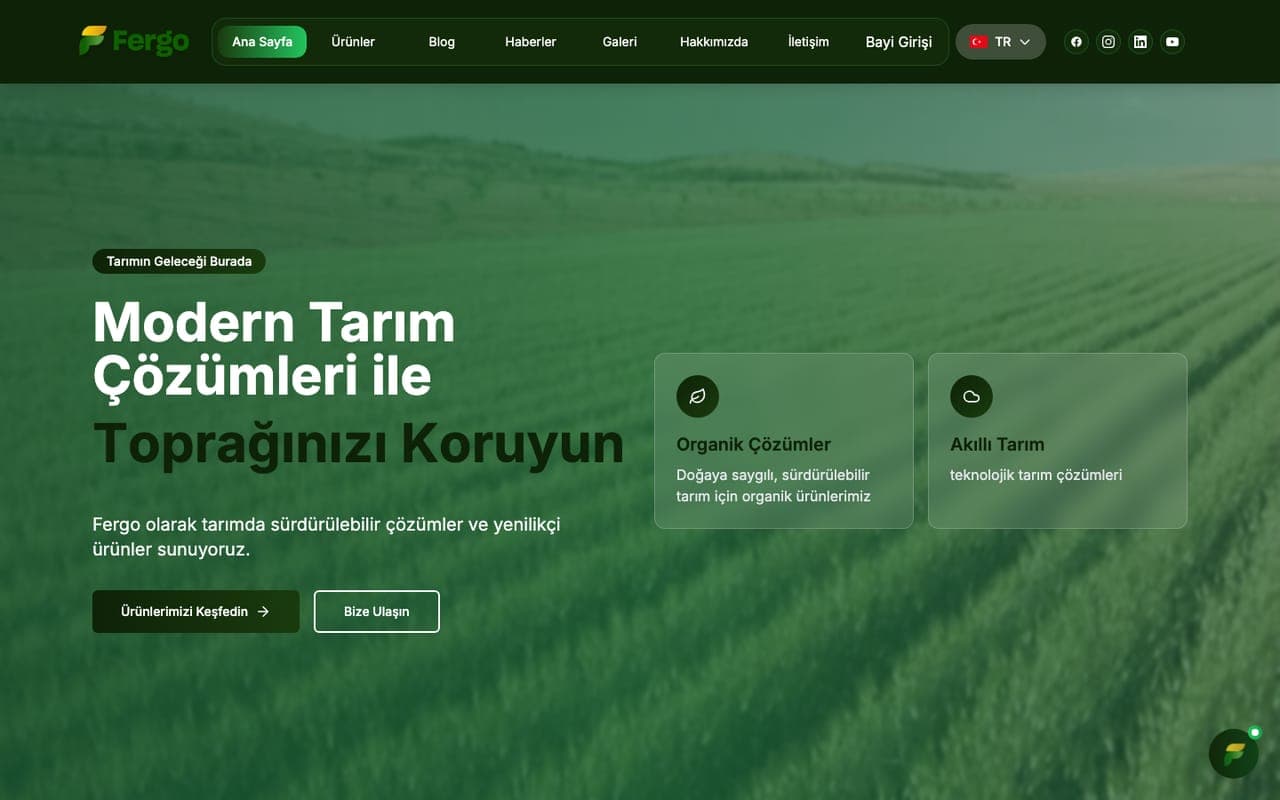
Corporate
Fergo
Corporate Website
Corporate website for Fergo, an organomineral fertiliser producer: product catalogue, blog and news modules, dealer login and a multilingual structure.
Visit the live site Fergo (opens in a new tab)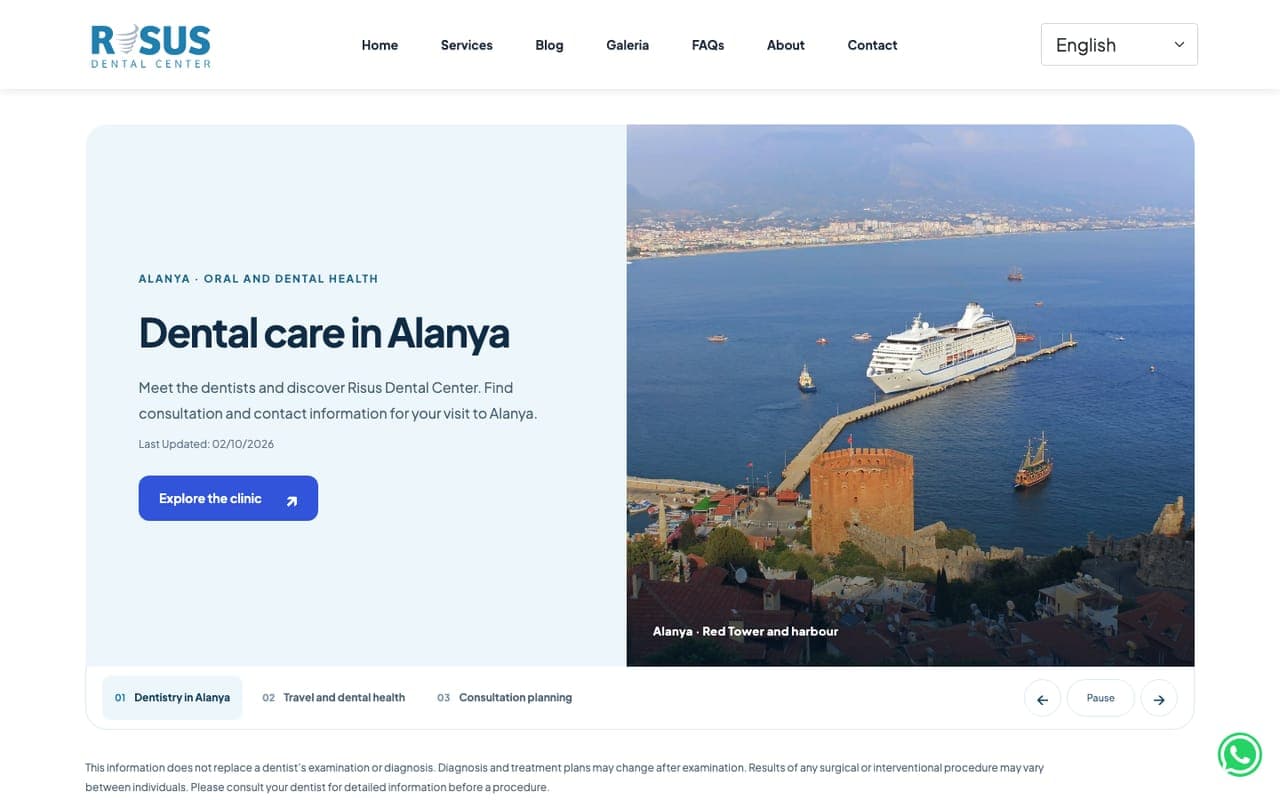
Healthcare
Risus Dental Center
Multilingual Clinic Website
Multilingual website for Risus Dental Center in Alanya: treatment services, blog, gallery, FAQ and quick WhatsApp contact.
Visit the live site Risus Dental Center (opens in a new tab)
Frequently asked questions
Does a small business like ours need digital transformation?
Not every business does, but it is worth a look if you recognize these signs: you type the same information into more than one place, you have to ask someone to find out what stage a job is at, or preparing a report takes days. If your current way of working is not wearing you down, you may not need a large program. We say so plainly in the first conversation.
Where should we start?
Picking the one process that costs the most time or produces the most errors is usually the best starting point, and a process mapping exercise makes it visible. Trying to change everything at once tires the team and makes it hard to tell which change actually helped.
Do we have to replace our existing software?
No. We first look at whether your current tools can be connected to each other. If we see that a tool really does not meet the need, we say so with our reasons and compare ready-made alternatives against custom development. The decision is yours, and our recommendation always comes with written reasons.
How will we know whether the transformation worked?
Before the pilot we write down the measures: for example the time a transaction takes, the number of errors or the amount of manual entry. At the end of the pilot we compare them with the starting point. We do not promise an improvement figure in advance, because it varies from business to business. Measurement is what you base the decision to go further on.
What if our employees resist the new system?
That is very common, and it is not a technical problem. During mapping we talk to the people who do the work and build the new flow around what they really need. We start the pilot with a small group, feed their comments back into the flow and give short trainings. Having a named owner for the system also helps adoption.
What is the difference between digital transformation consulting and AI consulting?
This page describes a process-centered engagement that is independent of any one technology: mapping, integration, data and reporting, measurement and change management. If you want work that focuses only on AI use cases and an AI roadmap, take a look at the consulting page under our AI Integration service. The two can complement each other.
We are an agency. How could we use this service?
In two ways: for your own internal processes, for instance straightening out quoting, project tracking and client reporting, or as the technical delivery partner on a client's transformation project. In the second case we write into the scope which part of the work we take on and who handles communication with the client.
How is our data protected during a pilot?
For processes that involve sensitive data we suggest starting the pilot with as little data as possible and restricted access. If you have requirements such as a confidentiality agreement, we talk about them before work begins. Obligations that come from regulation are assessed by the partner law firm we work with in parallel; this is included in the package.
Related services
- ERP & CRM SolutionsManage your business processes on one platform, strengthen customer relationships and increase efficiency with custom ERP and CRM software.
- Cloud ServicesWe deliver secure and scalable cloud solutions on AWS, Google Cloud and Azure.
- AI Integration & AutomationWe build AI assistants and automations connected to your CRM, ERP, e-commerce platform and website. One team from discovery to build and upkeep.
Looking for an AI assistant, automation or AI integration for your existing software? AI Integration & Automation